How Forestry Mulching Protects Soil Health and Prevents Erosion
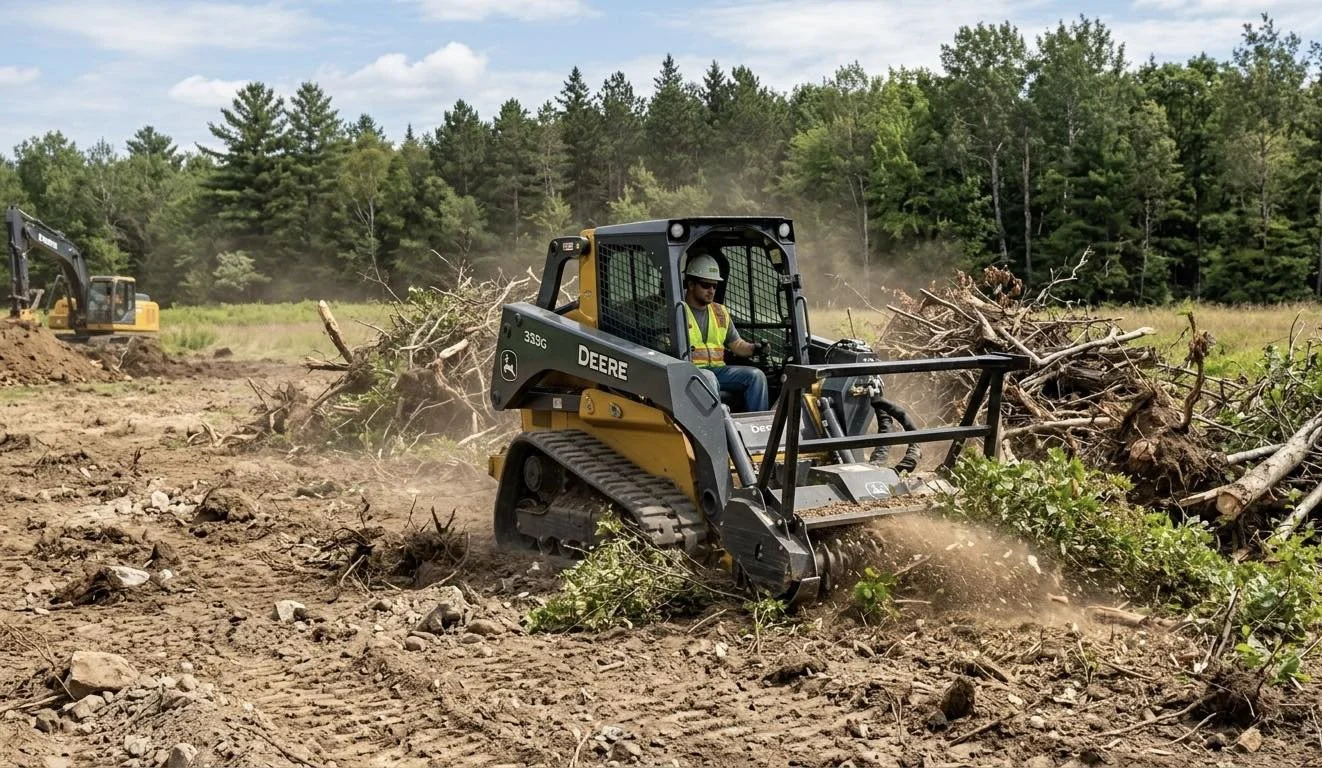
Healthy topsoil is one of the most valuable — and irreplaceable — assets on any piece of land. Once erosion strips it away, it can take decades or even centuries to rebuild naturally. Forestry mulching is one of the few land clearing methods that actually protects and enhances soil health rather than depleting it.
How Mulching Shields the Soil
Forestry mulching takes a fundamentally different approach. The machine processes vegetation where it stands, grinding it into a blanket of organic mulch that is immediately spread across the cleared area. This mulch layer performs several critical soil-protection functions simultaneously.
Erosion Barrier: The mulch absorbs the impact of rainfall, preventing soil particles from being dislodged and carried off.
Moisture Retention: Mulch slows water evaporation, keeping the soil moist and reducing irrigation needs.
Microbial Activity: A layer of decomposing organic matter creates an ideal environment for beneficial soil microorganisms.
Weed Suppression: The mulch layer discourages weed seed germination, reducing competition for desirable plants.
Temperature Regulation: Mulch buffers soil temperature against freezing and overheating.
The Long-Term Soil Dividend
As the mulch breaks down, it releases nitrogen, phosphorus, potassium, and trace minerals back into the soil — creating a natural slow-release fertilizer effect. According to Maxwell Land Management, the mulch layer acts as a natural fertilizer, improving soil health and promoting healthy vegetation growth. Over time, this builds a richer, more fertile topsoil layer that supports robust plant growth.
Authoritative Resources
Maxwell Land Management – Benefits of Forestry Mulching
Hurst Landworks – Power and Sustainability of Forestry Mulching